
Family Dinner Rituals That Build Healthier Plates, One Small Habit at a Time
Tonight, we’re exploring Family Dinner Rituals: Stacking Small Habits for Healthier Plates, turning tiny, repeatable actions into effortless nourishment. From five-minute prep wins to conversation cues that slow the fork, discover practical routines supported by real stories, gentle science, and warm encouragement. Set the table with intention, invite everyone to help, and enjoy food that feels grounding rather than complicated. Join in, share your rituals, and let’s grow a supportive table where little actions compound into lasting, delicious well-being for every age.
Start Before the Table: Tiny Prep Moves With Big Payoffs
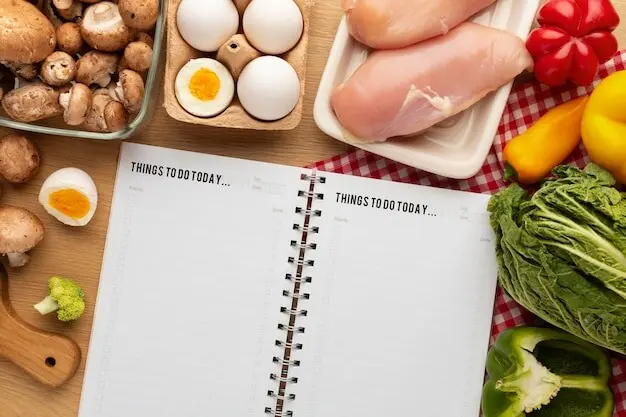
Most victories happen long before the first bite. When greens are washed, grains are partly cooked, and a water pitcher chills in easy reach, dinner practically assembles itself. These small advance cues remove decision friction, making healthier choices the default rather than the exception. Think batch-chopped vegetables, a ready vinaigrette, and a thawing protein, quietly preparing the stage. The goal isn’t perfection; it’s gentle momentum. Stack one simple prep right after another, link each to an anchor you already do, and watch how weeknights feel lighter, calmer, and far more nourishing.
Setting the Scene: Cues That Nudge Better Choices
Environment quietly shapes appetite and pace. Softer lights, calm music, and smaller plates can elevate satisfaction while reducing overeating. A pitcher of water within arm’s reach, cloth napkins that invite care, and a tidy center space create gentle permission to slow down. Place vegetables and protein on the table first, breads and extras later, guiding order without policing. Research suggests device-free meals correlate with better dietary quality and richer conversation. The table becomes both a stage and a teacher, encouraging attention, gratitude, and steadier choices through subtle, welcoming signals.
Smaller Plates, Bigger Satisfaction
Downsize plates by an inch and watch portions self-regulate without anyone feeling shortchanged. The mind loves a full canvas; a modest plate brimming with vegetables, grains, and protein appears abundant and comforting. Add deeper bowls for salads, encouraging bigger leafy helpings. None of this requires strict rules—only intentional props. Families often report fewer seconds and more contented sighs when colors fill edges and textures mingle. Pair with a gentle pause before reaching for more, and you’ll discover satisfaction arriving sooner, not through restraint, but through visual generosity and mindful pace.
Device-Free Minutes
Try a simple cue: stack phones on a side shelf, face down, before the first serving. Just ten device-free minutes sharpens taste and connection, revealing quiet flavors often lost to scrolling. Kids share highs and lows; adults exhale the day; stories stretch the meal’s gentle arc. Without buzzing interruptions, pace slows naturally, and fullness cues speak louder. This ritual isn’t about perfect silence—it’s about presence. Reclaim a small daily island of attention, and you may find that fewer bites feel more satisfying because conversation, laughter, and eye contact become the meal’s brightest seasoning.
Water Within Reach
Place a chilled pitcher at the center, flavored with lemon wheels, cucumber ribbons, or berries. Visibility invites sipping before that automatic refill of juice or soda. Hydration subtly supports fullness and taste clarity, making greens taste crisper and seasoning pop. Small cups for kids, sturdy glasses for adults, everyone pouring without fuss—this shared ritual creates ownership. When water becomes the default companion, sugar becomes an occasional flourish rather than a habit. Over time, the pitcher signals comfort and care, like a lighthouse for cravings, guiding appetites toward steadier shores one refreshing pour at a time.
Half the Plate Grows in the Ground
Aim for leafy, crunchy, roasted, or sautéed vegetables to claim half the real estate. Let colors compete for space: emerald broccoli, ruby tomatoes, golden squash. Fiber boosts fullness and feeds a healthy gut, supporting mood and immunity. Rotate dressings—tahini lemon tonight, herbed yogurt tomorrow—to keep curiosity alive. When kids build their own vegetable side first, participation becomes pride. This single shift, repeated gently, transforms overall intake without battles. The plate tells a bright story, and everyone gets to choose their favorite characters while still honoring a beautiful, nourishing balance.
Protein Palm and Grain Cup
Use your palm for lean proteins—beans, fish, tofu, chicken—and a cupped hand for whole grains like quinoa, farro, or brown rice. These simple guides adapt to ages and appetites without strict math. Protein steadies energy and helps bodies grow strong; grains bring comfort and long-lasting fuel. Pair them with vegetables already on the plate so flavors mingle joyfully. When a family repeats this pattern, second helpings tend to be vegetables first, then protein, and sometimes grains last. It’s not a rule book; it’s a friendly compass pointing dinner toward steady, satisfying nourishment.
Flavor Boosters Without the Sugar Crash
Keep a trio of boosters at the table: acid, crunch, and herbs. A squeeze of lemon, toasted seeds, and a shower of parsley can elevate simple food into craveable comfort. Heat lovers add chili flakes; kids sprinkle sweet paprika. These final touches encourage exploration and reduce reliance on heavy, sugary sauces for excitement. When flavor feels bright and layered, smaller portions satisfy more deeply. Make it playful: a quick vote for tonight’s booster, a tiny tasting spoon, a shared wow. Joy becomes the secret ingredient that pulls healthier plates into happy, repeatable orbit.
Conversation as Ingredient: Stories That Slow the Fork
Talk shapes tempo. When we swap highlights, learn one surprising thing about someone’s day, or tell a silly two-sentence story, forks rest and bites stretch. Chewing more improves satiety signals, and mindfulness often emerges naturally through genuine curiosity. Research links regular family meals with stronger emotional health and higher fruit and vegetable intake. Keep prompts light: a small gratitude round, a question jar, or a shared memory. No lectures—just presence. This social rhythm not only nourishes connection but also supports gentler portions, because laughter and listening turn mealtime into a human-paced ceremony.
Kids in the Kitchen: Ownership Breeds Appetite
When children help, they taste more. Squeezing a lemon, spinning salad, or naming a new veggie gives agency that dissolves resistance. Exposure, not pressure, builds acceptance. Studies show repeated, low-stakes tasting raises liking over time, especially when kids choose shapes or seasonings. Offer age-appropriate jobs and celebrate effort, not perfect results. Invite playful plating and fun names that spark curiosity. Ownership turns dinner from something served to something shared, where small hands shape big appetites and pride makes broccoli mysteriously sweeter. The goal is wonder, not rules—and wonder loves a good apron.
Tiny Chefs, Real Jobs
Assign meaningful roles: herb tearing, mushroom brushing, grain rinsing, or timer boss. Keep stools sturdy and tasks safe but real. Kids remember flavors they touched, and that memory unlocks willingness. Pair each job with a predictable cue—after washing hands, choose a task card—so involvement becomes routine. Praise curiosity and patience, not speed. When small cooks see their work on the table, they lean in with pride and appetite. This is craftsmanship training in miniature, building skills, confidence, and a lifelong sense that good food is both approachable and truly theirs to create.
One New Bite Rule
Invite, never force: one tiny exploratory bite, then freedom to decide. Serve the familiar alongside the new, so comfort anchors courage. Celebrate descriptive feedback—too crunchy, lemony, or smoky—because words build taste literacy. Offer revisits another night with a fresh twist. Research on exposure shows liking often grows by the sixth to tenth try, especially when pressure stays low. Make it a family experiment rather than a test, and applaud honest reactions. Over months, curiosity becomes habit, and plates diversify naturally as novelty shifts from scary to exciting, guided by trust and consistent, gentle invitations.
Creative Naming and Plating
Names spark magic. Call broccoli “little trees,” quinoa “sun pops,” or peppers “traffic lights,” and watch smiles widen. Let kids arrange colors into patterns, sprinkle seeds like confetti, and crown dishes with a hero herb. This artistry opens doors to tasting without debates. Keep portions small and wins visible: a sticker on the fridge for trying, not liking. Rotate responsibilities—chief decorator tonight, garnish guru tomorrow—so everyone leads sometimes. As pride grows, so does appetite, because beauty invites bites. The plate becomes a canvas where bravery and play meet, deliciously, in the first curious nibble.
Cleanup Rituals That Sustain Tomorrow’s Meal
The meal isn’t over when forks clink; it flows into tomorrow’s ease. Portion leftovers into clear containers, label a lunch, and freeze a surprise dinner component. Rinse and reset the salad spinner with tomorrow’s greens, soak beans overnight, and park a grain in the rice cooker. A compost bin by the sink encourages tidy counters and mindful waste. Cleanup time doubles as a planning whisper, turning future you into a grateful guest. These gentle closes stitch continuity, proving that nourishment is less an event and more a rhythm that reliably carries the week.
Pack lunches before washing the last pan. When portions slide straight into containers while food is still out, you sidestep the morning scramble. Add a citrus wedge, a crunchy topper, and a protein boost so midday feels cared for. Kids can choose a dipping sauce or fruit, signing their container like a small promise from tonight. This forward fold reduces impulse snacks tomorrow and makes budgets friendlier. The ritual says, we think of you not just now but later too. That message tastes like security, which curbs chaotic cravings and champions steadier, happier choices.
Keep a freezer bag for soup scraps—onion ends, herb stems, parmesan rinds—building future broth with nearly no effort. Compost peels and cores to honor the cycle and keep counters clear. These small, respectful gestures turn waste into resource and teach stewardship at any age. When broth day arrives, the kitchen smells like thrift meeting creativity. Stir in legumes, grains, and vegetables for a restorative bowl that began as careful tidying. By linking cleanup to tomorrow’s flavor, you transform chores into generosity, stacking pride onto practicality in a loop that sustains body, budget, and planet.
All Rights Reserved.