
Smarter Portions Made Simple: When the Plate Method Meets Your Daily Cues
Why Cues Change What Lands on the Plate
From Intention to Automatic Action
Intentions fade when hunger grows and schedules stretch. Automaticity protects you. Pair the first step—placing the plate—with a cue to add vegetables first, every time. The cue interrupts mindless grabbing and channels motion toward balance. Over days, this repetition removes friction, making the balanced setup feel as familiar as buckling a seatbelt, which keeps portions reasonable even when cravings, stress, or multitasking compete for attention.
Environmental Design That Nudges Balance
Environments write scripts our hands obey. Store prepped vegetables at eye level, bright bowls on the counter, and proteins portioned in front containers. Use larger tongs for greens and smaller spoons for starches. These subtle differences make the default action the right action. You are not fighting appetite; you are guiding it kindly with placement, reachability, and visibility, so balance happens before hunger argues its case.
Small Wins That Rewire Choices
Celebrate the moment your plate shows half vegetables, not perfection across the week. Small wins teach the brain that the effort pays off, releasing momentum for the next meal. Keep a quick win counter on the fridge or a sticky note that says, “Half first.” Each notch builds identity—someone who builds balance without drama—which, over time, matters far more than occasional exceptions or especially busy days.
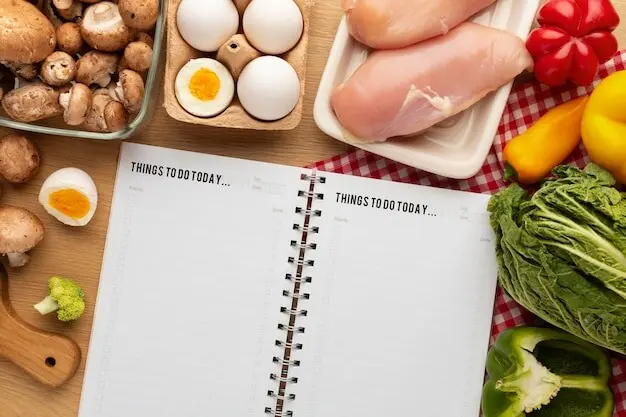
Building a Balanced Plate That Teaches Itself
Half Vegetables, Quarter Protein, Quarter Carbs—Explained
Half vegetables add volume, fiber, and color that fill you comfortably without crowding other foods. A quarter protein supports satiety and muscle repair, while a quarter carbohydrates fuels energy and enjoyment. Visualizing these slices reduces guesswork and evens out appetite swings. When paired with a dependable cue—like placing greens on the plate before anything else—this structure appears quicker than hunger can negotiate for oversized servings.
Flexible Swaps for Real-Life Plates
No perfect pantry? Rotate frozen broccoli, bagged salads, roasted peppers, or leftover grilled zucchini. Proteins can be tofu, fish, chicken, beans, eggs, or Greek yogurt sauces. Carbs may be farro, sweet potato, rice, or whole-grain pasta. The cue stays constant—vegetables first—while the ingredients flex. That stability amid variation prevents boredom, honors budgets, and lets you cook with what you have instead of derailing balance when plans change unexpectedly.
When Appetite, Culture, or Holidays Stretch the Rules
Some meals deserve celebration and abundance. Instead of ditching structure, redirect with cues: start with a vegetable-forward appetizer, drink water during toasts, or share one carb-rich side. Culturally cherished dishes fit beautifully when vegetables co-star. Adding crisp salads, pickled sides, or braised greens protects comfort without shrinking gratitude. The cue—vegetables first—keeps generosity on the plate while softening excess through volume, color, and refreshing textures that naturally moderate overeating.
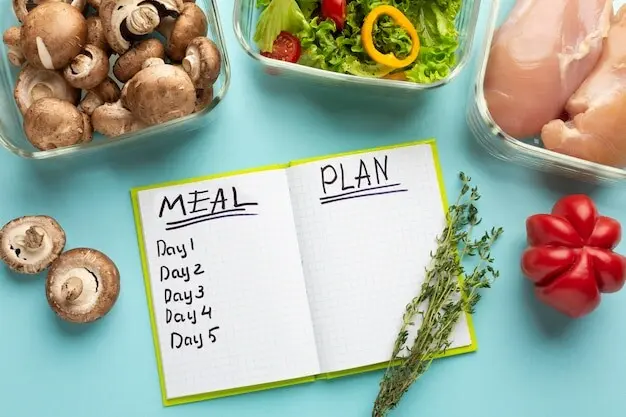
Cue Stacking in the Kitchen
First Bite Pause
When the plate arrives, breathe in the aroma and name two colors you notice. Then take a single bite of vegetables and pause again. This soft ritual honors the plate’s balance and primes taste buds for variety. The cue—colors before chewing—creates a brief space where impulse loosens, letting comfort and control coexist without scolding, self-judgment, or complicated tracking sheets cluttering the meal experience.
Utensil Switches That Trigger Awareness
Switch to a smaller fork for starches or use chopsticks for the first five bites. The tactile change cues slower pacing and conscious selection. It is not about restriction; it is about rhythm. By physically differentiating foods, you observe preferences, detect fullness earlier, and savor textures. Over time, these subtle prompts become comforting signals that you are eating in line with your plan, not against your hunger.
Hydration as a Gentle Speed Bump
Keep a glass within reach and tie sips to transitions—after vegetables, before protein, before seconds. Water refreshes the palate and adds a natural pause without stealing joy. As the cue repeats, speed drops, satisfaction rises, and portions settle exactly where you intended them to land. This simple ritual costs nothing, disrupts little, and quietly amplifies the plate’s visual guidance with kindness rather than control.
Eating Out and On the Go
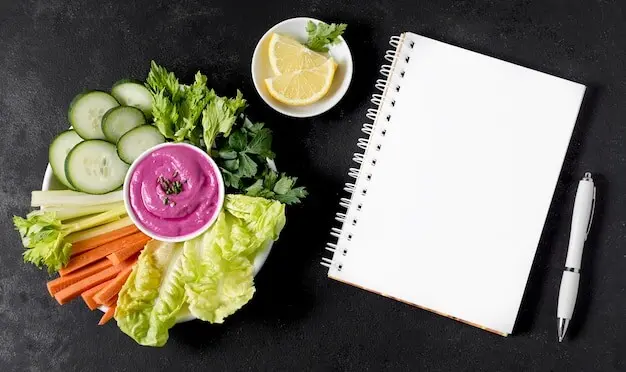
A Menu Scanning Script That Works Anywhere
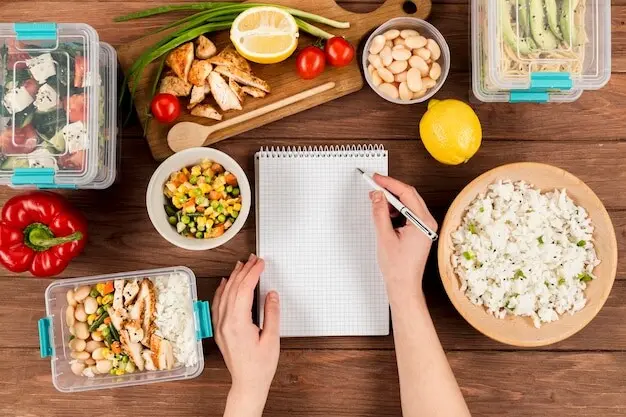
Share, Box, or Balance When Portions Loom Large
Convenience Store and Travel Tactics
Family, Friends, and Shared Tables
Track, Reflect, and Iterate Without Obsession
The Two-Line Journal You’ll Actually Keep
Photo the Plate, Rate the Cue
A Weekly Retro with a Future Hook
All Rights Reserved.